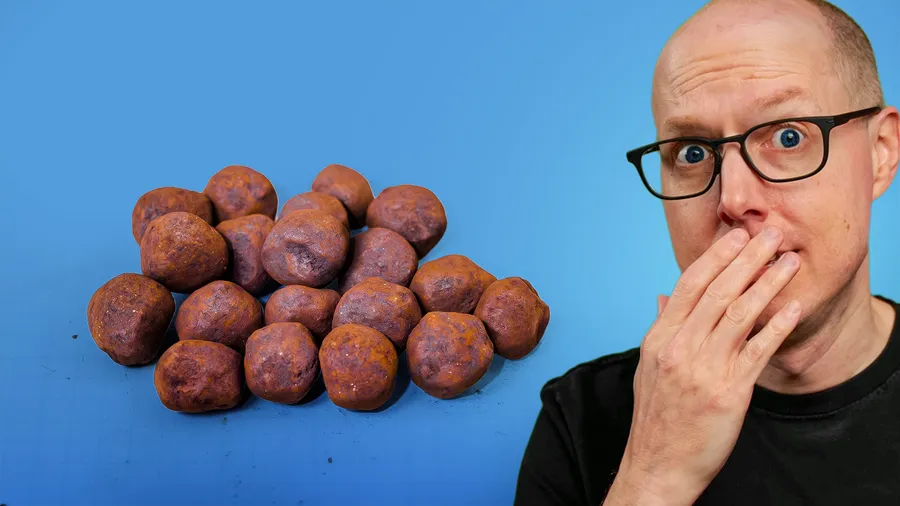
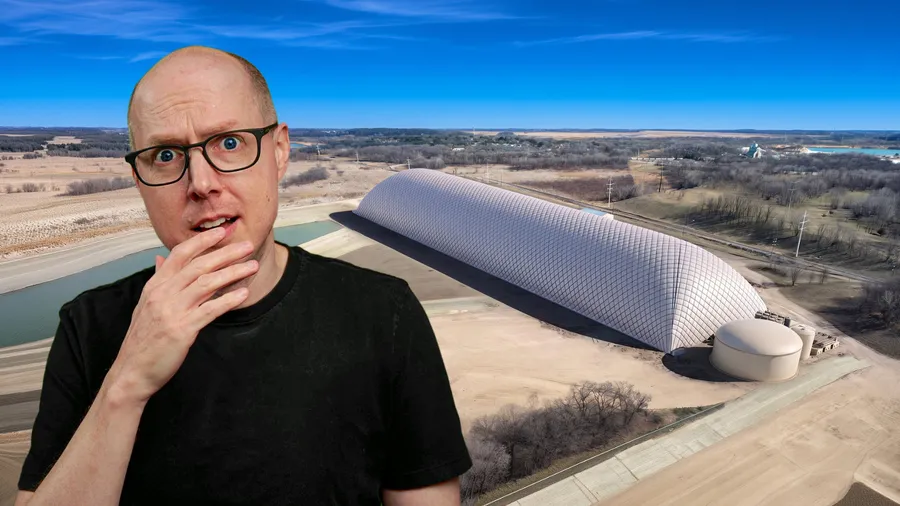
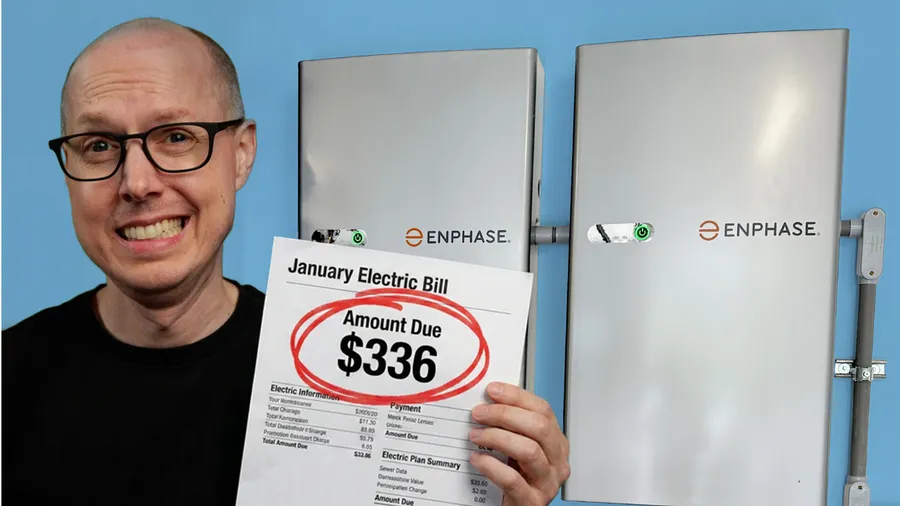
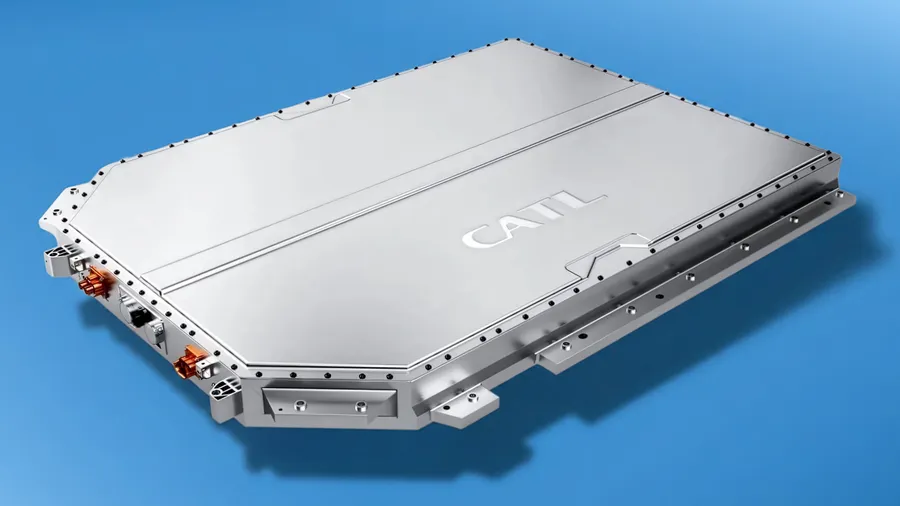
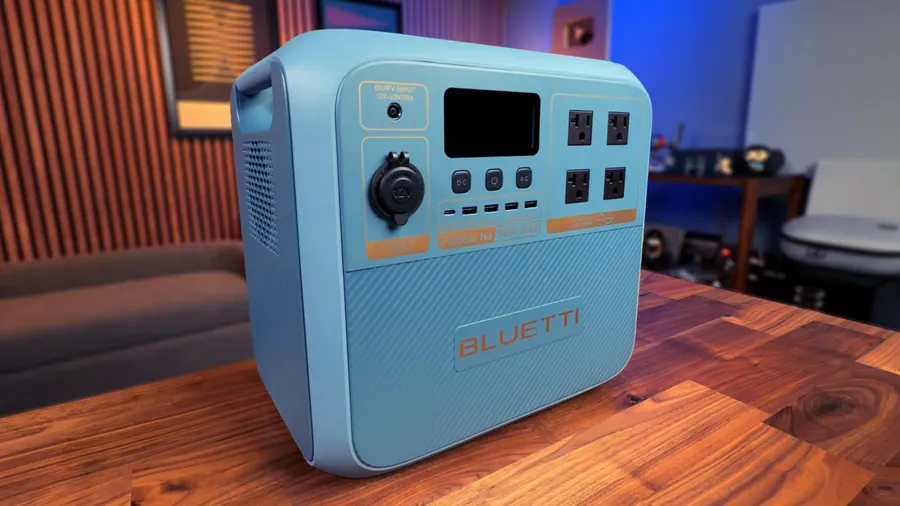
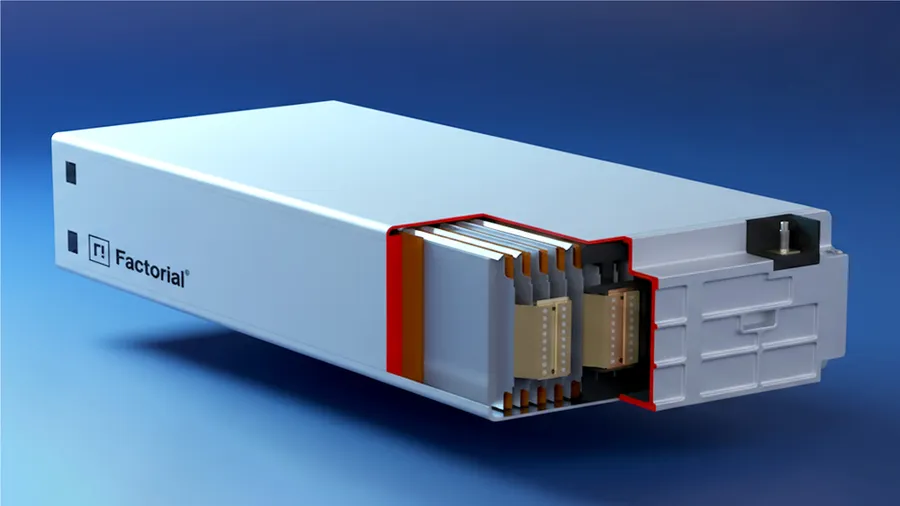
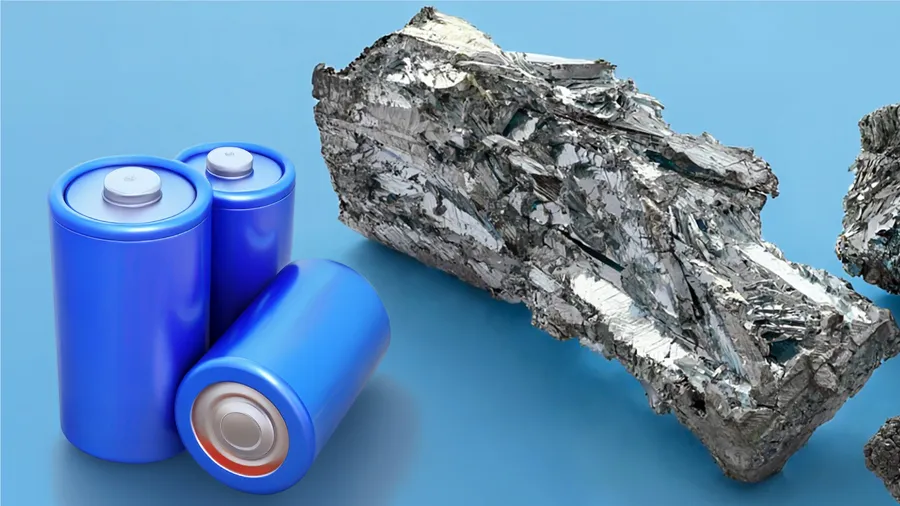
In the last few years, I’ve covered a lot of new battery technologies: from a battery made of sand, to one with a gel electrolyte, to a battery with liquid metal layers … but a lot of you tell me these breakthroughs don’t go anywhere.




So I went back and looked through each one. Since then, one is now heating a Finnish town. One ran out of money after 15 years. And one killed its own battery to save the company. The years have passed, and these battery breakthroughs are back on the chopping block. Have they made the cut… or been discharged?
In 2024, California threw away enough solar and wind power to cover more than 500,000 homes.12 That’s 3.4 million MWh of energy just thrown away because it was more than the grid could use at that moment.2 Storing that energy is the whole game.
The battery breakthroughs we’ve covered all promise to be better at storing this energy. To keep score of how they’re doing now, I'm using the Technology Readiness Level scale, or TRL. It goes from 1 to 9. A 1 is an idea on a whiteboard. A 9 is something customers are already using.
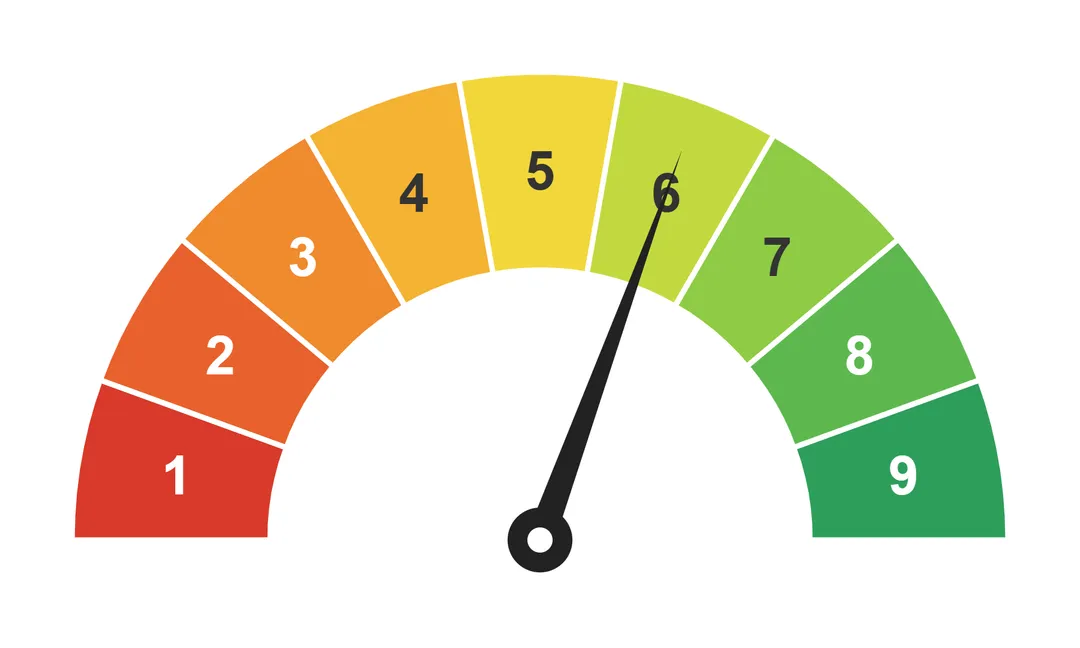
We’ll see just how far these battery ideas have made it, because getting from concept to an actual product is a real challenge.
Donald Sadoway, an MIT professor who founded two battery startups that I’ve covered in the past, says it himself: “the green transition is more easily spoken of than actually achieved”.3
We’ll come back to Sadoway’s startups later. For now, let’s look at the sand battery that is helping to heat a town.
When I talked about Finnish company Polar Night in 2022, they had just installed their first pilot system.4 Since then, a commercial sand battery with more than 12 times the storage capacity has been heating a Finnish town called Pornainen.
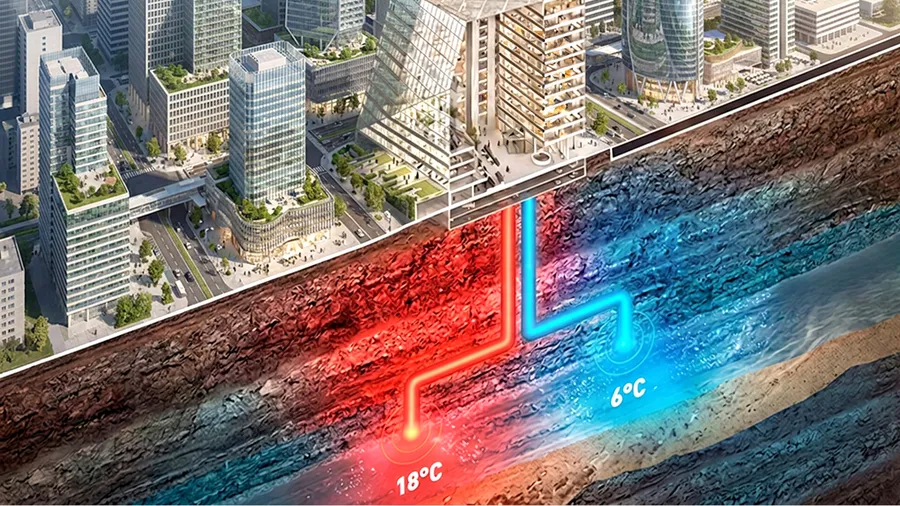
This 100 MWh thermal battery acts like a heat sponge, soaking up the heat generated by renewables, then storing it over days or even months. When that heat is needed, air is carried through the material so that the heat gets transferred, producing hot air that can be used for district heating. This centralized energy system then delivers the heat to buildings in the town using insulated underground pipes. After one year of using this battery, climate emissions from Pornainen’s district heating network decreased by 70%.5
The mayor of this small town says that “One of our strategic targets is carbon neutrality and the sand battery plays a central role in it.”6
Polar Night hasn’t stopped there. In 2025, the company made an agreement with Finnish company Lahti Energia to build their largest sand battery yet.7 Scheduled to be complete in 2027, this new silo will be about the width of a basketball court and as tall as a 4-story building. The goal is to hold 2.5 times the storage capacity of the battery in Pornainen.8 Polar Night also has more projects in the pipeline.910 Give it a few more years, and I expect the sands to shift in their favor. I mean … a sand battery is basically a steel silo full of sand. Any steel workshop can build one, so Polar Night can scale up without crazy new factories.11 And any town with district heating already has the pipes to use it. Since Polar Night has a commercial battery already in use for over a year, I’d give it a TRL 9 for district heating.
Sand isn’t the only thermal battery that’s made it out of the lab.
California-based Rondo Energy, which I covered in our 2023 brick battery video, announced in 2025 that they would be hopping into the brewing industry. Their brick battery will produce the high temperature steam needed for brewing beer in Heineken’s Portuguese facility.12 This battery is projected to cut the facility's operational emissions by 25-40%.13 So the beer-brewing battery is still waiting to prove its worth, but Rondo Energy also has a large-scale 100 MWh battery that’s already running in California, so I’d put brick batteries at TRL 9.14
Both sand and brick batteries have made it to the hands of customers, but there’s one important limitation. These thermal energy storage systems can only store and release heat so far, so they won’t be replacing lithium-ion in the electricity department anytime soon.
Polar Night is still working on turning that heat back into electricity using turbines.15 But one company has already cracked it. Their graphite blocks get so hot they glow, and they turn that light straight into electricity. But we’ll come back to that because there’s a battery that can fully charge in 6 minutes.
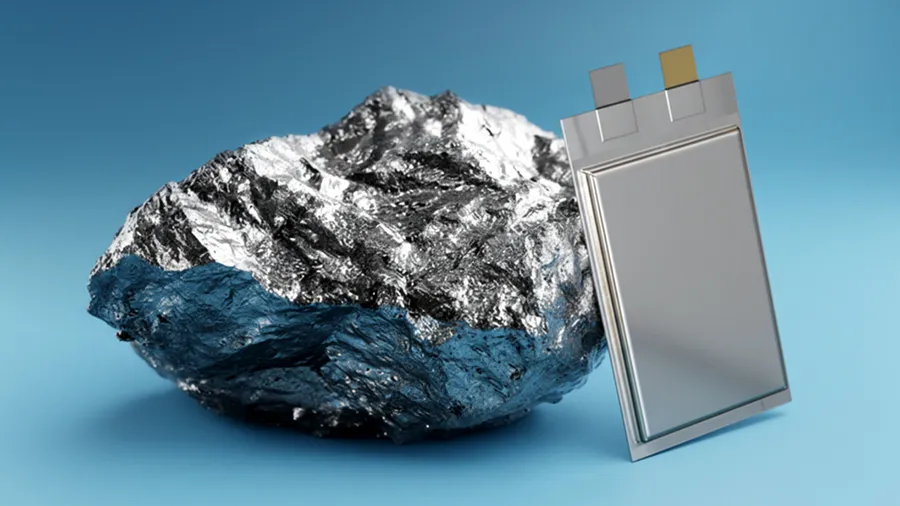
In 2022, Brisbane-based Graphene Manufacturing Group (GMG) was working on a graphene-aluminum battery that promised a higher theoretical power capacity, faster charging, and lower costs than lithium.16
Since then, GMG has delivered on some of those claims. Their graphene-aluminum pouch cell has a 10C rating, meaning it can fully charge in just 6 minutes.17
Many standard cells are rated at 1C, so a full charge takes an hour,18 which means GMG’s batteries are definitely charging faster … in some cases 10x faster.
They also recently reported a 94% energy efficiency. That’s higher than one of the toughest fast-charging lithium chemistries, lithium titanate, which is at 64% under the same 6-minute conditions.19
Here’s the catch … these are all results in the lab. They’ve made progress since I last covered them, but aluminum batteries are not in any markets yet. Going forward, GMG plans to test batteries with customers, but for now, the TRL remains at a 4. So it’s proven, but not commercialized.
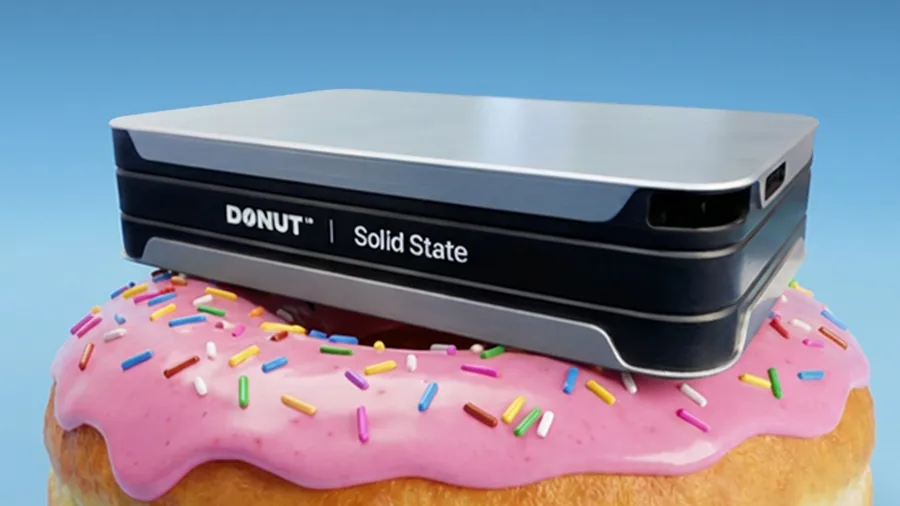
Sometimes, things don’t always run as smoothly as expected. Remember Gelion, the Sydney-based company making zinc bromine batteries using a gel-based electrolyte? Well, things didn’t go exactly to plan, and they had to … zinc of something new.
When I first talked about Gelion at the end of 2022, they were rolling out industrial production of their zinc bromine battery called Endure.20 But despite its name, it didn’t last as long as we had hoped.
Half a year after our video, Gelion announced they were making a change. They had found cost and safety issues with bromine before the technology was scaled up,21 so they quickly pivoted. Since 2023, they’ve focused on a new sulfur cathode technology. This is the surprising turn that no one expected … Gelion killed its own battery to save the company.
Developed with the Max Planck Institute of Colloids and Interfaces, Gelion's new technology works by confining sulfur to pores on the cathode to improve battery lifespan and efficiency, which are the bottlenecks of sulfur batteries.22
Lithium-sulfur batteries generally offer 60-70% higher energy density than lithium-ion batteries.23 Think of high energy density like a calorie-dense energy bar: tons of energy packed into less weight. Their sulfur batteries can be lighter but still hold the same amount of energy as a lithium-ion battery.
Gelion’s coin cells also retain 75% of their theoretical capacity at a 10C rating.23 This means their sulfur batteries can discharge most of that stored energy very quickly. The lightweight and high-power qualities of Gelion’s batteries make them particularly attractive for aerospace industries due to having less payload to deal with.
The company is now developing lithium-sulfur batteries for drones and EVs.22 A recent simulated drone test showed no degradation in their batteries even after 200 charge cycles.24
At this current stage, I would put Gelion at a TRL of 5, as it's headed to the market, but not quite there yet.
They are part of the sulfur battery race with other companies like California-based Lyten, who are targeting the ultralight battery market. Lyten, which I covered in 2022 and 2025, is at the front of the pack with TRL 6, having completed a successful 3-hour drone flight using their batteries.25
Overall, sulfur battery companies have begun to spread their wings, but we’ll have to wait and see which battery can sustain its flight all the way to market.
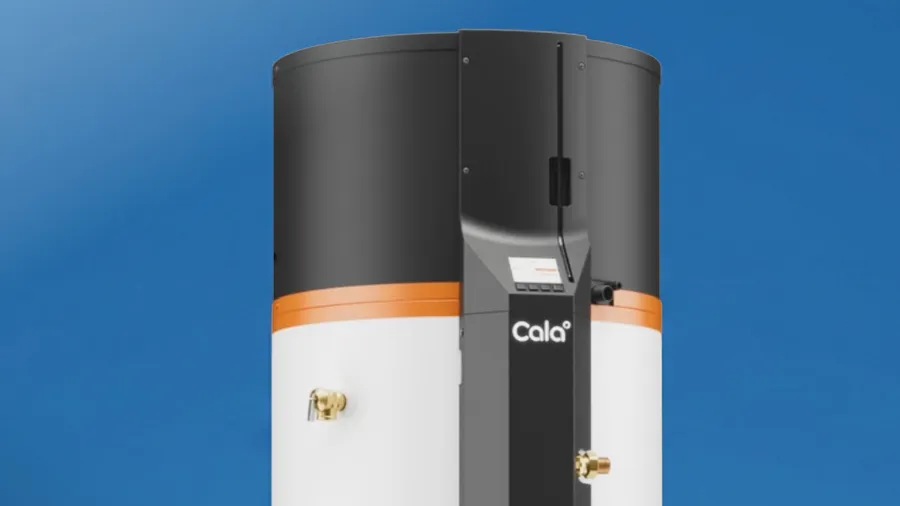
Remember that company already turning heat into electricity? It’s California-based Antora Energy, and it’s quickly turning up the heat.
Their battery is similar to sand and brick batteries except it uses graphite blocks to store heat. These blocks can get up to 2,400°C, which is hot enough for most industrial processes.26 Sand batteries top out around 600°C, and brick batteries around 1,500°C.2728 Antora Energy’s batteries are powering up the competition in other ways too: their batteries are also making electricity. Shutters open and blast light from the hot graphite blocks onto specially designed solar cells, so these batteries can store both heat and power.29
The company recently commissioned a 5 GWh thermal energy storage system in South Dakota for a biofuel processing facility.30 That’s 50 times more energy storage than what Polar Night or Rondo Energy has built so far. Antora Energy can reach this scale because of modular batteries, each about the size of a shipping container. That does take up a lot of space, so Antora is going after industrial sites. For instance, the South Dakota system sits on an empty lot right next to an ethanol plant.31
While Antora Energy has not released the cost of building this storage system, they say the graphite block costs $1/kWh of thermal energy.32 Yes, that’s cheap, but that’s just for heat storage. Lithium batteries are much more efficient at storing electricity, so the cost is hard to compare. It’s a little apples and oranges.
I’d put Antora Energy at a TRL 8, but close to 9 once the system is fully operational. It’s worth keeping an eye on Antora Energy… they have big plans for the future. CEO Andrew Ponec says that “my dream is that anytime you’re driving by an industrial site in this country or around the world, you’re seeing Antora thermal batteries.”33
And they’re taking the steps to follow through on this dream. This October, Antora Energy announced an even larger energy storage project for a biorefinery in Kansas.34
So far … aluminum batteries are still in the lab, sulfur batteries are starting real-world tests, and sand, brick, and graphite batteries have gone to market. But it’s not always success in the battery world. Remember MIT professor Donald Sadoway’s warning that the green transition is more easily spoken of than achieved? Well, he was speaking from experience.
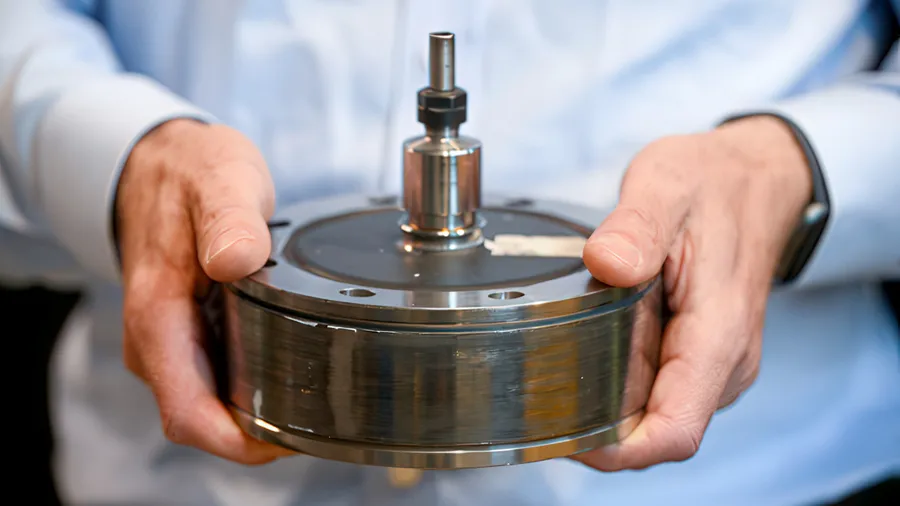
Massachusetts-based Ambri was Sadoway’s company spun off from his liquid metal battery discovery. Early on they faced challenges with the battery seal, but they eventually solved those problems, and Sadoway was hopeful that liquid metal batteries would eventually make it out to market.35
But sometimes a good idea just isn’t enough.
Ambri got stuck in a chicken-and-egg problem. They couldn’t build a larger scale manufacturing facility without customers lined up, but customers didn’t want to line up until they had seen the battery operate at scale.
That’s “why you end up in this state of paralysis,” Sadoway said.35
It’s what led Ambri to file for bankruptcy and hold an asset sale in 2024.36 Still, that wasn’t enough to save the company. In 2025, after 15 years on the road to market, Ambri announced they would be winding down because they couldn’t raise enough money to build a factory and deliver to customers.37
Sadoway’s newer startup, Watertown, Massachusetts-based Avanti, which launched in 2022 and came from his lab’s aluminum-sulfur battery discovery, had a similar ending. They had reached a 50x scale up in 2023, but the company is now winding down.38 39 40
The lesson here is put perfectly by Sadoway himself: “we don’t need a better battery that costs more.”41
A new battery breakthrough might make the headlines, but to turn it into a product that is better and cheaper than what already exists? That’s a whole different story.
So, to everyone who told me these breakthroughs never go anywhere … you're half right. Going back through all these technologies, there’s a key takeaway: the real breakthrough is surviving the journey from lab to market.
So here’s the scoreboard. Polar Night and Rondo are sitting at TRL 9. Antora is right behind at TRL 8. Lyten and Gelion are at 6 and 5. GMG is still in the lab at TRL 4. And liquid metal? That battery has reached the end of its cycle.
Personally, I’d love to have a sand battery for my home, but this technology isn’t making it to my doorstep anytime soon. That’s the case with any of these batteries for that matter. They still need years of real-world data to prove they really pay off in the long run.
That being said, seeing the progress with Polar Night’s sand battery still makes me excited. It took the company 4 years to get their first pilot battery up and running, and another 3 years to scale up. Now with its first commercial scale sand battery, the 5,000 citizens of Pornainen could access enough heat for one month during the summer or one week in winter.42 Going from idea to impact, I’d still say that’s 7 years of hard work paid off.
- US Energy Information Administration - Average Monthly Home Electricity Use by US States ↩
- US Energy Information Administration - Solar and wind power curtailments are increasing in California ↩
- Fully Charged Podcast - Liquid Metal with Prof. Donald Sadoway ↩
- Clean Technica - Sand Battery Trials Begin In Finland ↩
- Polar Night Energy - World’s Largest Sand Battery Now in Operation ↩
- Polar Night Energy - World's Largest Sand Battery ↩
- Polar Night Energy - Lahti Energia invests in a Sand Battery – towards climate-friendly and cost-efficient energy ↩
- Polar Night Energy - Lahti Energia’s Sand Battery construction progresses on schedule ↩
- Polar Night Energy - New Sand Battery Pilot Will Be Built in Valkeakoski ↩
- Polar Night Energy - Polar Night Energy Partners with Solsiden and Soldag to Decarbonize Heating in the Baltics ↩
- ABC News - World's first 'sand battery' can store heat at 500C for months at a time ↩
- Energy Storage News - Cold beer, hot bricks: Heineken signs deals for 100MWh thermal energy storage system ↩
- Heineken Is Trying a Heat Battery to Generate Steam for Its Brewing ↩
- Rondo Energy - Rondo Powers Up World’s Largest Industrial Heat Battery ↩
- Soliverse - Sand Battery Innovations: Reducing Industrial Heat Emissions with Expert Insights ↩
- Nano Materials Science - Emerging rechargeable aqueous aluminum ion battery: Status, challenges, and outlooks ↩
- GMG - GMG Unveils Graphene Aluminium-Ion Battery that Fully Charges in 6 minutes ↩
- Evlithium - The Principle Of Lithium-ion Battery Charging ↩
- GMG Announces 48% Increase in Energy Density, Doubling of Cycle Life and 94% Energy Efficiency for 6 Minute Fast Charge ↩
- Renew Economy - Australian zinc bromide batteries start rolling off production line in Sydney ↩
- Gelion - General FAQs ↩
- Gelion - Technology ↩
- Gelion - Gelion Achieves Breakthrough in Lithium-Sulfur Performance ↩
- Proactive - Gelion battery cells pass independent drone testing at QinetiQ ↩
- Drone DJ - New US-made drone battery offers over 3-hour flight time ↩
- Antora - Technology ↩
- Polar Night Energy - Sand Battery ↩
- Rondo Energy - How It Works ↩
- Canary Media - This startup’s energy storage tech is ‘essentially a giant toaster’ ↩
- Power - Major Thermal Energy Storage Project Commissioned for South Dakota Biofuels Producer ↩
- Canary Media - The hidden innovation behind Antora’s massive new heat battery ↩
- Antora - Turning sunshine and wind into 24/7 industrial heat and power — cheaper than fossil fuels ↩
- Stand Together - This new battery could re-industrialize America — if we let it ↩
- Antora - Antora and Pratt Energy Announce Nearly 6 Gigawatt-Hour Thermal Battery Project to Deliver Affordable Energy and Strengthen Kansas Economy ↩
- Cleaning Up Podcast - Extreme Electrochemistry for a Sustainable Future - Ep155: Prof Donald Sadoway ↩
- Business Wire - Ambri Successfully Completes Sale and Emerges from Chapter 11 ↩
- Boston Business Journal - Battery manufacturer funded by Bill Gates to shut down, host auction ↩
- LinkedIn - Avanti Newsletter ↩
- Pitchbook - Avanti Battery Overview ↩
- LinkedIn - Avanti Battery Company ↩
- MIT DMSE - A new battery made from cheap, abundant resources ↩
- CNBC - Finland’s radical answer to renewable energy’s biggest headache: The world’s largest sand battery ↩